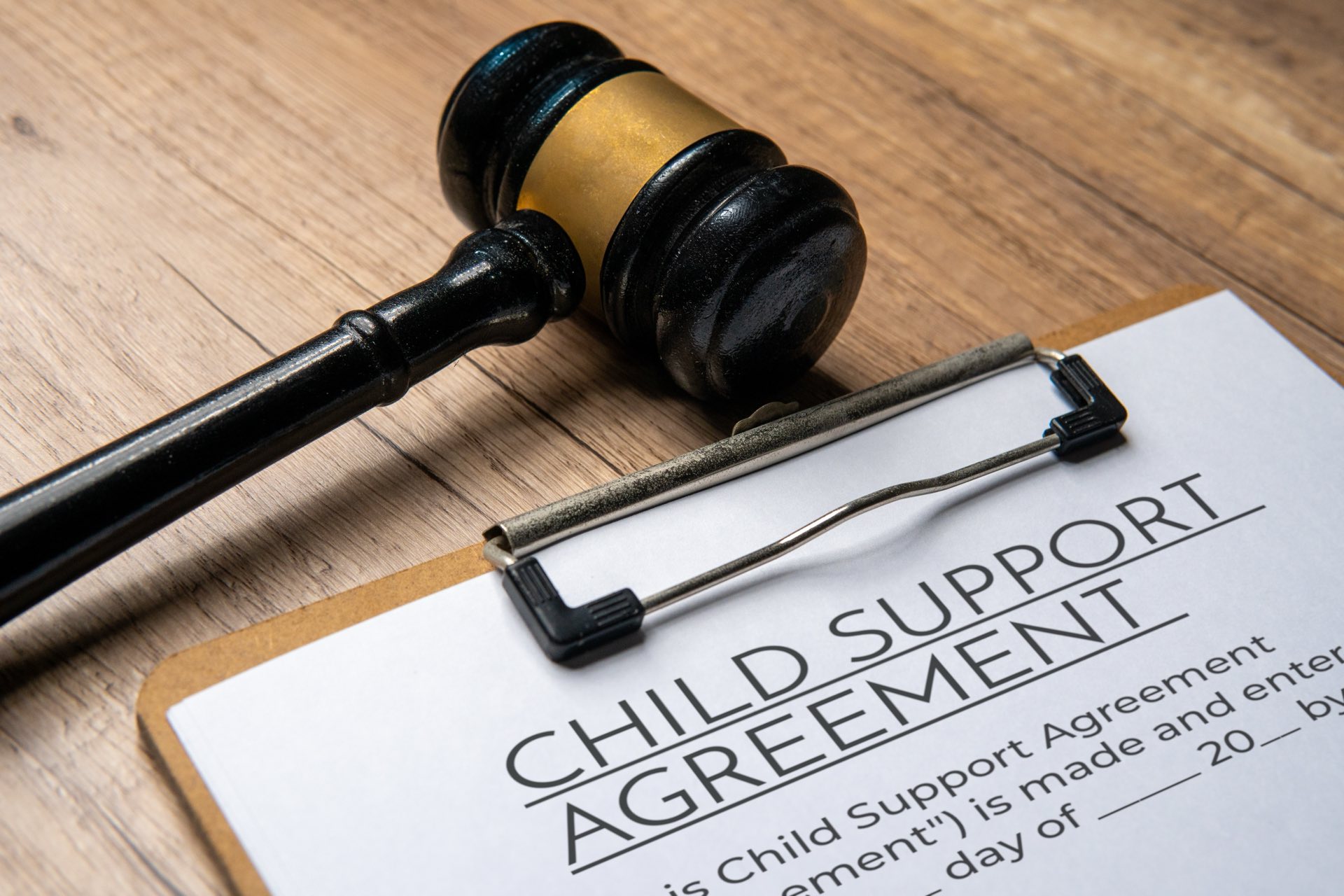
When couples go through a dissolution in Ohio, child support is not something they can simply decide on their own without limits. The state has clear guidelines that must be followed when calculating support. These guidelines are designed to protect children and ensure they receive appropriate financial care from both parents. Even in an amicable dissolution, where both parties agree on most terms, child support still has to meet certain legal standards.
That said, Ohio law does allow for flexibility in the form of deviations. A deviation means the parents agree to pay more or less than the standard guideline amount. However, the court will not automatically accept that agreement. Any deviation must be justified, documented, and approved by a judge. If the court does not believe the arrangement serves the child’s best interests, it can reject it entirely.
Understanding how these deviations work can help you avoid delays, denials, or costly revisions later.
How Ohio Calculates Child Support
Ohio uses a standardized formula to calculate child support. This formula is based primarily on three things: each parent’s income, the number of children involved, and how parenting time is divided between the parents. The goal is to create a fair and consistent system that reflects both parents’ ability to contribute financially.
Income includes more than just wages. It can also include bonuses, commissions, self-employment income, and sometimes even certain benefits. The court looks at the full financial picture when determining what each parent can reasonably pay.
Parenting time also plays a role, though not always as much as people expect. Even in shared parenting situations, one parent may still be required to pay support depending on income differences. The calculation does not automatically become equal just because time is split evenly.
Additional factors can influence the final number as well. Health insurance costs, childcare expenses, and other child-related costs are often added into the equation. These adjustments help create a more accurate reflection of what it actually costs to raise a child.
What Is a Child Support Deviation?
A child support deviation occurs when the parents agree to a support amount that differs from what the standard Ohio calculation would require. This could mean paying less than the guideline amount, or in some cases, more.
In a dissolution, this often comes up because the parties are working together to reach a mutually acceptable agreement. For example, one parent may agree to cover certain expenses directly instead of making traditional support payments. Or both parents may feel that the guideline amount does not accurately reflect their situation.
However, even if both parties agree, the court still has the final say. The judge must review the proposed deviation and determine whether it is appropriate. The key question is always whether the deviation serves the best interests of the child.
If the court finds that the agreed amount is too low or otherwise unfair, it can require the parties to revise the agreement or default back to the guideline calculation.
Valid Reasons for Deviating from the Guideline
Ohio law recognizes that not every family situation fits neatly into a formula. That is why deviations are allowed in certain circumstances. However, there must be a clear and reasonable basis for requesting one.
Extraordinary medical or educational needs: If a child has significant medical expenses or requires specialized education, the standard calculation may not be enough. In these cases, parents may agree to adjust support to better cover those costs.
Long-distance parenting costs: When parents live far apart, transportation expenses can add up quickly. Travel costs for visitation, especially across state lines, may justify a deviation from the standard amount.
Equal parenting time with shared expenses: In some shared parenting arrangements, both parents are contributing equally to the child’s day-to-day expenses. If that is truly the case, the guideline amount may not reflect the actual financial reality.
High income or special family circumstances: In higher-income households, the guideline formula can sometimes produce numbers that do not make practical sense. Similarly, unique family arrangements may require a more tailored approach.
The key is that the reason for the deviation must be specific, logical, and tied directly to the child’s needs or the family’s circumstances.
How to Request a Deviation in Dissolution Cases
In a dissolution, everything is built around the settlement agreement. The documents outline all the terms the parties have agreed to, including child support. If you are requesting a deviation, it must be clearly written into this agreement.
The agreement should explain not only the amount of support but also why it differs from the guideline calculation. Vague or unsupported explanations can lead to problems during court review. The more clearly the reasoning is laid out, the more likely the court is to approve it.
Once the agreement is submitted, the court will review it as part of the dissolution process. The judge will look at the guideline calculation, compare it to the proposed amount, and evaluate the stated reasons for the deviation.
If the court finds that the deviation is reasonable and in the child’s best interests, it will approve the agreement. If not, the parties may be asked to revise the terms or provide additional justification. In some cases, the court may reject the deviation entirely.
This is why it is important to get it right the first time. A poorly drafted agreement can delay the dissolution and create unnecessary stress.
FAQ Section
What if the court rejects our agreed amount?
If the court rejects your proposed child support amount, you will typically have an opportunity to revise the agreement. This may involve adjusting the support figure or providing additional documentation to support your reasoning. In some cases, the court may require you to use the standard guideline amount instead.
Can child support be changed later after a deviation is approved?
Yes. Child support orders, including those involving deviations, can be modified if there is a substantial change in circumstances. This could include changes in income, parenting time, or the child’s needs. However, until a modification is approved by the court, the existing order remains in effect.
Final Thoughts
Child support deviations can be a useful tool in Ohio dissolution cases, but they are not automatic or guaranteed. Even when both parties agree, the court must carefully review the arrangement and confirm that it serves the child’s best interests.
That means every deviation needs to be clearly explained, properly documented, and legally sound. Small mistakes or missing details can lead to delays or outright rejection. Working with an experienced legal team can help ensure your agreement is structured in a way the court will accept.
At Garretson & Holcomb, LLC in West Chester Township, we work closely with clients to create separation agreements that are both practical and compliant with Ohio law. If you have questions about child support or are considering a deviation in your case, call us at (513) 863-6600 to discuss your options.